If you want top-dollar results in Lake St. Louis, listing your home is not something to rush. This market has its own moving parts, especially when community rules, exterior appearance, and lake-related features can all shape a buyer’s decision. With the right 60 to 90 day plan, you can reduce surprises, protect your timeline, and make your home easier for buyers to say yes to. Let’s dive in.
Why Lake St. Louis Prep Matters
Lake St. Louis is not just another suburban resale market. Many homes are affected by Lake Saint Louis Community Association rules, fees, architectural standards, and amenity details, so your pre-listing plan needs to account for more than paint colors and deep cleaning.
That local context matters because buyers may be looking at both the home and the lifestyle that comes with it. Beaches, marinas, boat launches, parks, a clubhouse, a pool, and other recreation can be part of the value story, especially if your property is inside association boundaries.
As of June 2026, Realtor.com reported 191 homes for sale in Lake St. Louis, a median listing price of $500,000, median days on market of 40 days, and an average sale-to-list price ratio of 99%. That suggests a market where homes can still move well, but pricing, presentation, and preparation still matter.
Start With Association Status
Before you spend money on improvements, confirm whether your property falls within the Lake Saint Louis Community Association boundaries. Not every Lake St. Louis address is governed by the same association rules, so this is one of the first details to verify.
If your home is in the association, gather the key documents early. That usually includes the annual fee schedule, annual assessment insert, covenants and restrictions, bylaws, ACC guidelines, boundary map, property-address list, and any dock or boat fee information that applies to your home.
Having those materials ready helps you answer buyer questions with confidence. It also helps you avoid making exterior changes that may need approval before your listing goes live.
Build a 60 to 90 Day Timeline
The best pre-listing plan usually starts 60 to 90 days before you want to hit the market. That gives you enough time to sort, repair, clean, stage, and handle any city or ACC approvals without scrambling at the last minute.
In Lake St. Louis, this timeline is especially important if your plan includes exterior work. A fence, deck, dock repair, pool update, pergola, paint change, or shoreline project can affect your launch date if approvals or permits are required.
A practical timeline often looks like this:
- Days 60 to 90: declutter, sort repairs, confirm association status, collect paperwork
- Days 45 to 60: complete maintenance items, request permits or approvals if needed, begin staging plan
- Days 30 to 45: finish exterior cleanup, remove non-compliant items, schedule photography prep
- Days 14 to 30: deep clean, finalize staging, confirm documents, prepare for photos and showings
Focus on the Rooms That Matter Most
If you are trying to decide where to spend your time, start with the spaces buyers notice first. NAR’s 2025 Profile of Home Staging found that staging can help buyers visualize a property as their future home, and many agents also reported benefits in sale price and time on market.
The rooms most commonly staged are the living room, primary bedroom, dining room, and kitchen. That makes those spaces a smart first priority if your goal is to create a clean, calm, move-in-ready feel.
You do not always need a full redesign. In many homes, the biggest improvements come from removing excess furniture, clearing countertops, simplifying decor, and making each room feel open and easy to understand.
Clean Up Curb Appeal Early
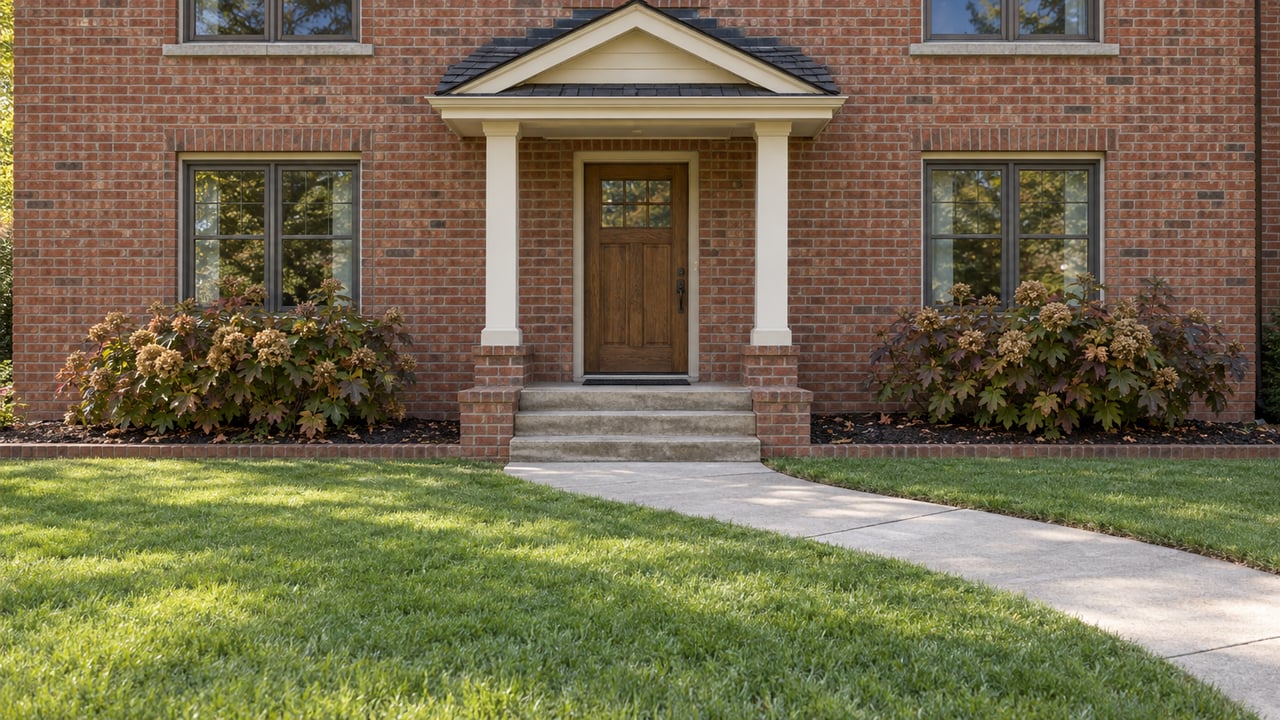
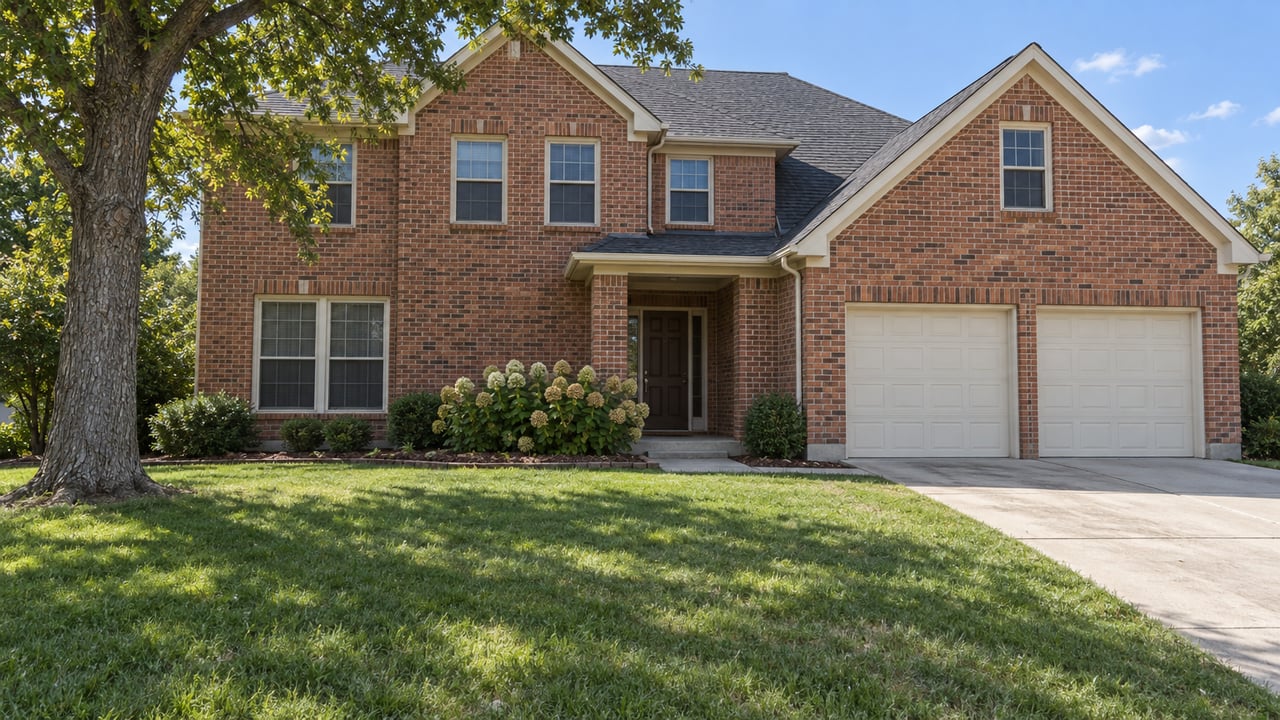
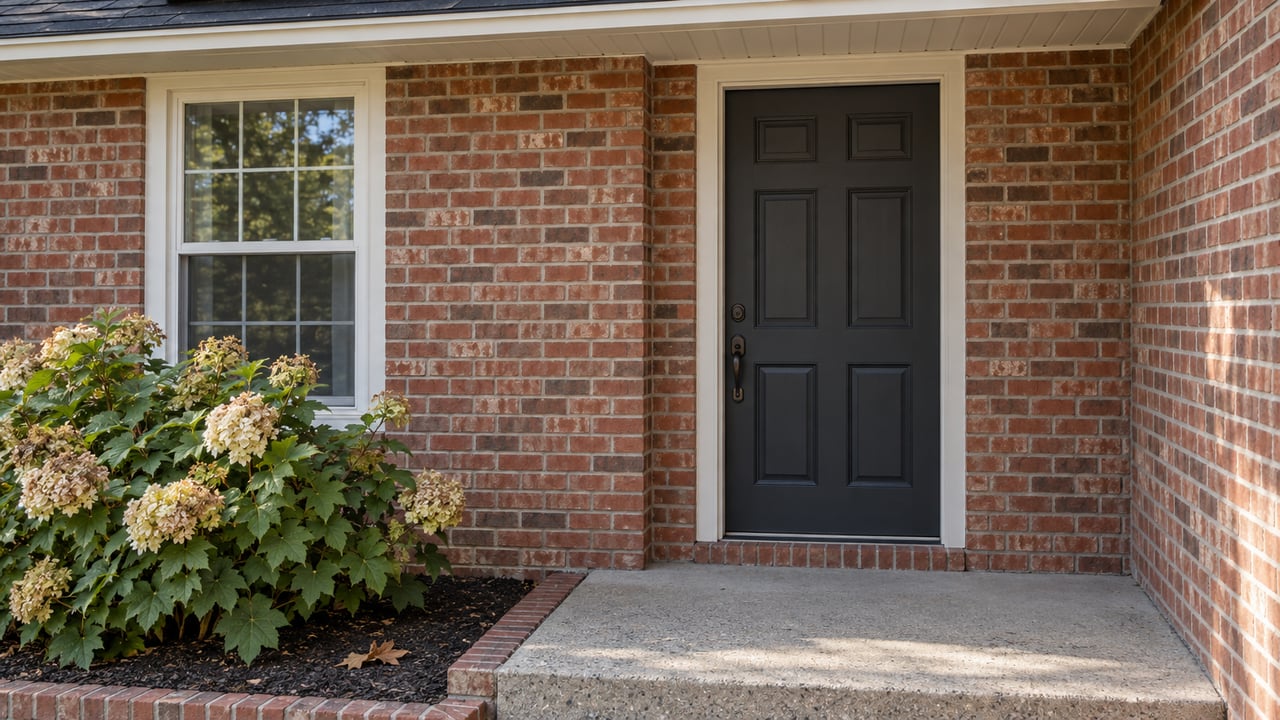
In Lake St. Louis, exterior presentation carries extra weight. Buyers may notice not only the front entry and lawn, but also patios, decks, shoreline areas, seawalls, docks, and views if those features are part of the property.
The City of Lake Saint Louis handles property maintenance and appearance issues through code enforcement, and the LSLCA covenants require lots and structures to be maintained in a neat and attractive manner. That means your outdoor prep should be more than cosmetic. It should show that the property has been cared for.
A strong exterior checklist can include:
- Mow and edge the lawn
- Trim shrubs and remove dead growth
- Pressure wash walks, patios, and siding where needed
- Clean up shoreline or seawall areas if applicable
- Remove clutter from porches, decks, and driveways
- Touch up worn paint where allowed and approved
- Make sure outdoor furniture looks intentional and tidy
Remove Exterior Friction
One of the easiest ways to lose buyer momentum is to leave obvious rule-related issues in plain sight. In Lake St. Louis, boats, trailers, and other large vehicles generally cannot be parked or stored on a lot unless they are in an enclosed garage or another ACC-approved enclosure.
That matters during listing photos and showings. If a boat or trailer is sitting in the driveway or front-facing area, it can distract buyers and raise questions about compliance before they ever step inside.
If your home has lake access or lake-related features, aim to make those assets feel clean and easy to understand. Buyers should be able to appreciate the property without having to look past avoidable clutter or confusion.
Check Permits Before Projects
It is tempting to squeeze in one more improvement before listing, but not every project is worth the risk or delay. In Lake St. Louis, permits are required for items such as pools, fences, decks, and similar structures, and contractors working in the city must hold a city business license.
On top of that, the LSLCA ACC requires approval for new construction, major alterations, color changes, and projects that change the exterior appearance of the home. For lakefront projects, submissions are due 10 calendar days before the ACC meeting. Standard applications are due 3 calendar days before the meeting.
Before you hire anyone or buy materials, make sure you know whether the project needs city permits, ACC approval, or both. That one step can save you from wasted money, timeline setbacks, or last-minute listing delays.
Gather Paperwork Before You List
A smoother sale often starts with a better paper trail. Instead of waiting until you receive an offer, use your pre-listing window to collect the documents buyers are likely to ask about.
In Missouri, the state real estate commission says there is no mandatory seller’s disclosure statement. Even so, Missouri REALTORS provides a standard Seller’s Disclosure Statement that covers important disclosure topics, so it is wise to gather your information carefully instead of assuming it will sort itself out later.
Helpful records to collect may include:
- Past repair invoices and contractor receipts
- Warranty information that still applies
- Permit records for completed projects
- Association documents and fee details
- Dock, slip, or amenity-related cost information if applicable
- Survey, plat, deed copy, or other recorded documents
If you need recorded property records, St. Charles County’s Recorder of Deeds is the local office that maintains land records and can provide copies of recorded documents.
Do Not Overlook Lead Rules
If your home was built before 1978, lead-based paint rules may apply. Sellers of most pre-1978 housing must disclose known lead-based paint and hazard information, provide the required lead pamphlet, and include the required warning statement during the sales process.
That means it is smart to gather paint history, renovation dates, and any older remediation paperwork early. If those documents exist, having them ready can make the disclosure process more efficient.
Time Your Launch Strategically
The best time to list is often when your home can be shown at its strongest. In a community like Lake St. Louis, that can mean waiting until the lawn looks good, the patio is set, the dock is tidy, and any water views or outdoor spaces are ready for photos.
Seasonal demand often rises in spring and summer, and that tends to line up well with homes that benefit from curb appeal and outdoor living features. Still, timing should be based on readiness, not guesswork.
If your home needs exterior work first, build in time for permits and ACC approval before scheduling photography. A beautiful launch is only helpful if you are truly ready when buyers start looking.
Think Like a Buyer
Buyers in Lake St. Louis often want practical answers, not just pretty photos. They may ask about annual assessments, amenity access, dock or slip costs, what exterior changes need approval, and whether visible boats or trailers are allowed during showings.
Your goal is to remove those question marks before they become objections. When your home is clean, compliant, well-documented, and clearly presented, buyers can focus on what they love instead of what might go wrong.
That is really what a strong pre-listing game plan is about. Not doing every possible upgrade, but making the sale feel easier, cleaner, and more confident from day one.
If you are thinking about selling in Lake St. Louis, a smart first step is a plan built around your home, your timeline, and the local rules that could affect your move. For experienced guidance, staging and clean-out coordination, and a clear path to market, schedule your free consultation with Lisa Adkins.
FAQs
What should Lake St. Louis sellers do first before listing?
- Start by confirming whether your home is inside Lake Saint Louis Community Association boundaries, then gather the association documents and build a 60 to 90 day prep timeline.
Do Lake St. Louis sellers need HOA approval for exterior changes?
- If your property is governed by the LSLCA, exterior changes such as major alterations, color changes, and lakefront-related projects typically require ACC approval.
Do Lake St. Louis sellers need city permits for fences or decks?
- Yes. The City of Lake Saint Louis requires permits for projects such as fences, decks, pools, and similar structures.
Can Lake St. Louis sellers leave a boat or trailer in the driveway during showings?
- Generally no, unless the boat or trailer is kept in an enclosed garage or another ACC-approved enclosure.
When should Lake St. Louis sellers start staging and decluttering?
- A good time to start is 60 to 90 days before listing so you can focus on key rooms, finish repairs, and prepare the home for photos and showings.
What paperwork should Lake St. Louis sellers gather before listing?
- Collect repair records, permit information, association documents, fee details, and any recorded property documents you may need, such as a deed copy, plat, or survey.
Do Missouri sellers need disclosure paperwork before listing a home?
- Missouri does not have a mandatory seller’s disclosure statement, but sellers should still gather disclosure information carefully and be ready to share material facts and required records.
What if a Lake St. Louis home was built before 1978?
- If the home was built before 1978, lead-based paint disclosure rules may apply, so sellers should gather paint history, renovation dates, and any related records early.