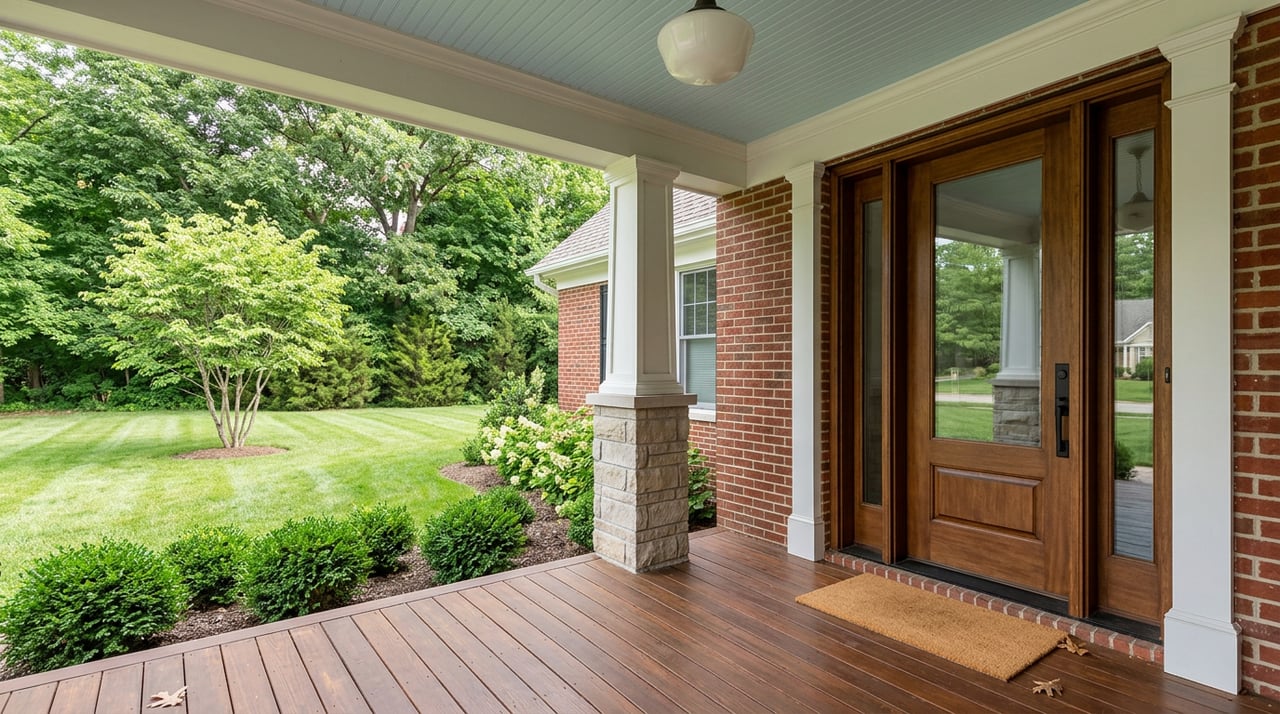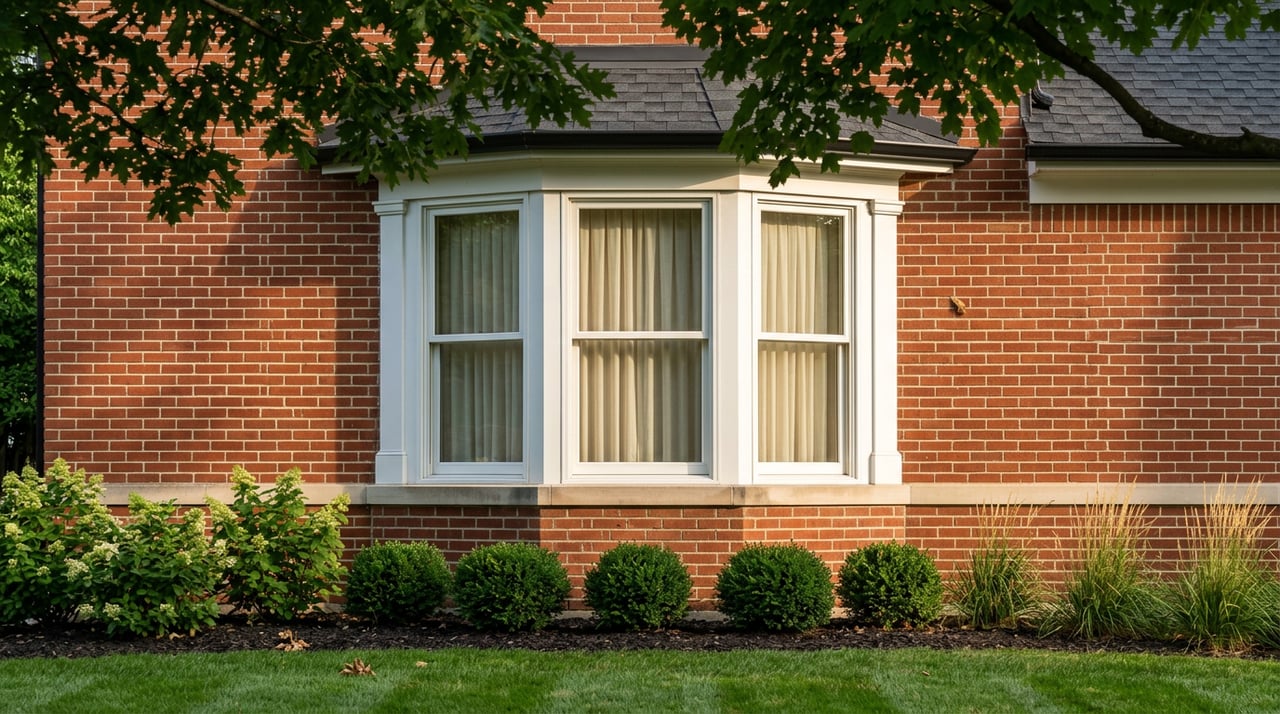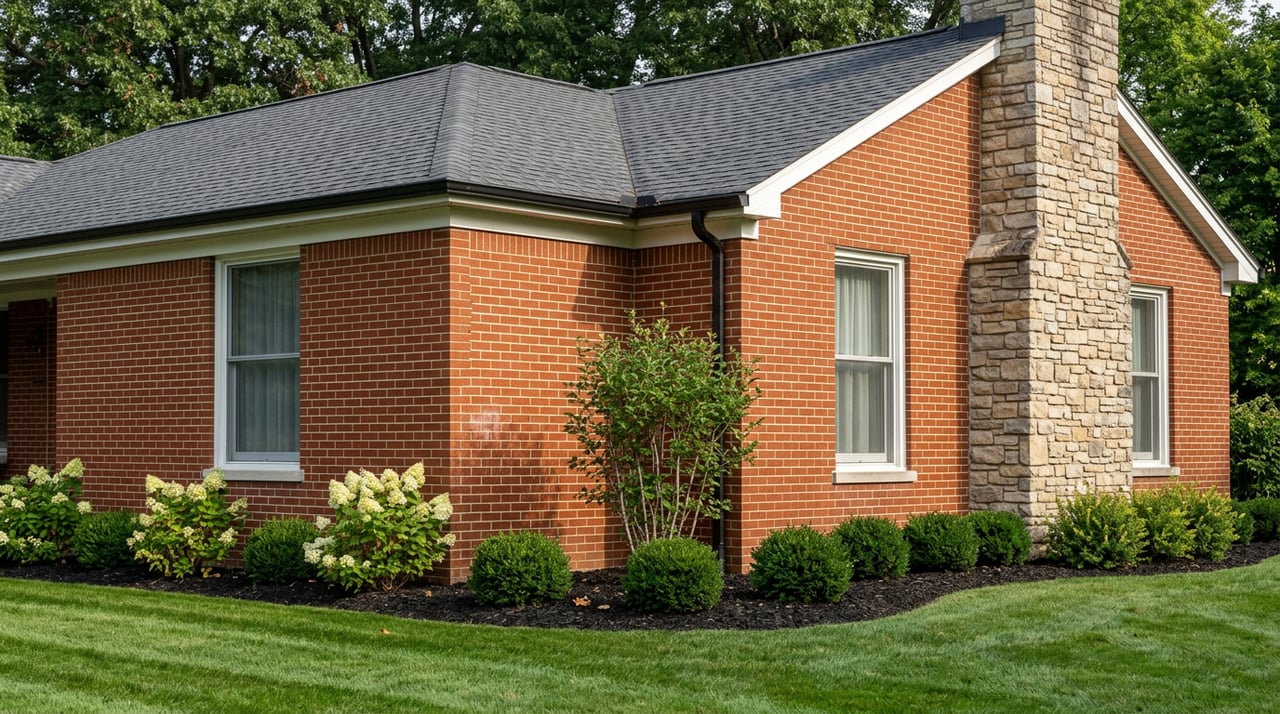
Two homes go up for sale a block apart in Lake St. Louis. Same builder era, same brick-and-stone facade, same asking price within a few thousand dollars. One comes with a boat slip waiting list, a pool badge, and a standing invitation to watch fireworks over the water every Fourth of July. The other, despite sharing a mailing address and a school boundary, has none of it. No lake. No marina. No clubhouse membership. Same city. Different rights entirely.
That gap is not a clerical accident. It is built into how this community came together, and it is the single most consequential thing to verify before you write an offer here.
Two Governments, One Confusing Map
Lake St. Louis runs on two separate layers of authority that most out-of-area buyers assume are the same thing. The City of Lake Saint Louis handles what cities handle: building codes, permitting, municipal services. The Lake Saint Louis Community Association, known locally as the CA or LSLCA, is a private entity that owns and administers the actual lakes, marinas, beaches, clubhouse, and golf course. Living inside the city does not automatically put you inside the CA's boundary, and the two maps do not line up neighborhood for neighborhood.
The reason traces back to how the place was founded. Lake Saint Louis began in 1966 as a private recreational lake development, years before it incorporated as a city in 1975. The association came first and the municipality came later, which is why pockets of the city today sit entirely outside the association's footprint even though the address says Lake St. Louis. Membership in the CA is tied to a property's recorded legal description, not to which city limits it happens to fall inside.
A home can sit inside Lake St. Louis city limits and still have no legal claim to a boat slip, a beach badge, or a seat at the clubhouse bar.
This is why the same street name can produce two very different ownership experiences, and why a comparison built only on square footage and list price misses the part of the deal that actually determines how a buyer will spend their summers.
What CA Membership Actually Costs
For homes that do fall inside the boundary, membership is not free and it is not optional once you own the property. The Lake Saint Louis Community Association publishes an annual assessment and a separate fee schedule for anyone who wants to use the boats, docks, or pool. For 2026, the baseline numbers look like this:
| Item | 2026 Rate |
|---|---|
| Annual CA assessment (all property types) | $650, due March 1 |
| Class 1 non-motor watercraft registration | $31 |
| Class 3 motorboat registration | $180 |
| Dock slip rental (April 1 to March 31) | $578 |
| Pool day pass, member | $7 |
| Pool day pass, guest | $8 |
The $650 figure is the floor, not the ceiling. It covers common-area upkeep and the right to be a member in good standing. It does not include a boat, a slip, a golf membership, or a tennis package, all of which are sold separately and renew every year. A household that plans to actually use the water, rather than just look at it from a distance, should budget well past the base assessment.
The Line Items Nobody Mentions at the Open House
This is where the median price stops telling the whole story. A buyer comparing a $500,000 home inside the CA to a similarly priced home outside it is not comparing equal products. The CA home carries a recurring obligation the other one doesn't, and that obligation must be current before an owner can register a boat, rent a slip, or buy an amenity package of any kind.
The association's own new resident materials list what's actually available once dues and fees are paid: a clubhouse with a restaurant and bar, ballrooms and meeting rooms, an outdoor pool, tennis and golf, and two marinas. The Main Marina holds 196 boats and Windjammer Pointe holds another 35, with roughly 242 additional dock and slip spaces scattered through the community. That capacity is finite, which is why associations of this kind typically run a waiting list for slips rather than guaranteeing one on demand.
None of that shows up in a listing photo. It shows up on the settlement statement and in the mailbox every March.
Not Every Lake Is the Same Lake
Even among homes that do carry lake rights, the two bodies of water are not interchangeable. The big lake, Lake Saint Louis, covers about 625 acres and allows a wider range of boat types with higher speed limits, which makes it the center of gravity for skiing, tubing, and larger pontoon traffic. The smaller Lake Sainte Louise covers about 75 acres and runs quieter, with more restrictions on what can go in the water. A buyer chasing a fast-boat lifestyle and a buyer chasing a still-morning-coffee view are shopping for two different lakes, even though both addresses say Lake St. Louis.
This matters for anyone using "waterfront" as a search filter without asking which shoreline they are actually looking at. The lake behind a house determines the noise level, the boat traffic, and the kind of neighbors you'll have on a Saturday afternoon in July.
The Verification Step That Belongs in Every Offer
Before a buyer gets attached to a specific address, a few checks settle the question of what they're actually purchasing:
- Pull the recorded legal description and confirm whether the parcel falls inside the LSLCA boundary, not just inside city limits.
- Use the city's community association directory to confirm which association, if any, governs that specific address.
- Request the current CC&Rs and the association's fee schedule directly from the seller or the CA office.
- If the home is waterfront, confirm dock rights are deeded to the property and not simply assumed from location.
- Check whether the annual assessment and any prior special assessments are current, since unpaid dues can suspend a member's privileges regardless of who owns the home.
None of this is exotic paperwork. It's the difference between buying a house near a lake and buying a house with a lake.
A Few Questions Buyers Ask First
Does every home inside Lake St. Louis city limits come with lake rights? No. Membership attaches to specific parcels through recorded covenants, and a home can be inside the city while sitting outside the CA boundary entirely. The only reliable way to know is to check the recorded legal description against the association's boundary.
What happens if the annual assessment goes unpaid? The association can suspend an owner's privileges, including the ability to use amenities, until the account is brought current. That's worth asking about directly if you're buying a resale, since a lapsed account can follow the property into the sale.
Comparing homes here on price alone leaves out the variable that actually shapes daily life on this side of St. Charles County. The address tells you the school district and the commute. It doesn't tell you whether you'll ever set foot on a dock.
If you're weighing a purchase in Lake St. Louis and want a clear read on which side of that boundary a specific address falls on, the Lisa Adkins Team can walk through the CA records, the fee schedule, and what a given property actually includes before you write an offer. Schedule your free consultation and get the full picture before the lake becomes part of the deal.