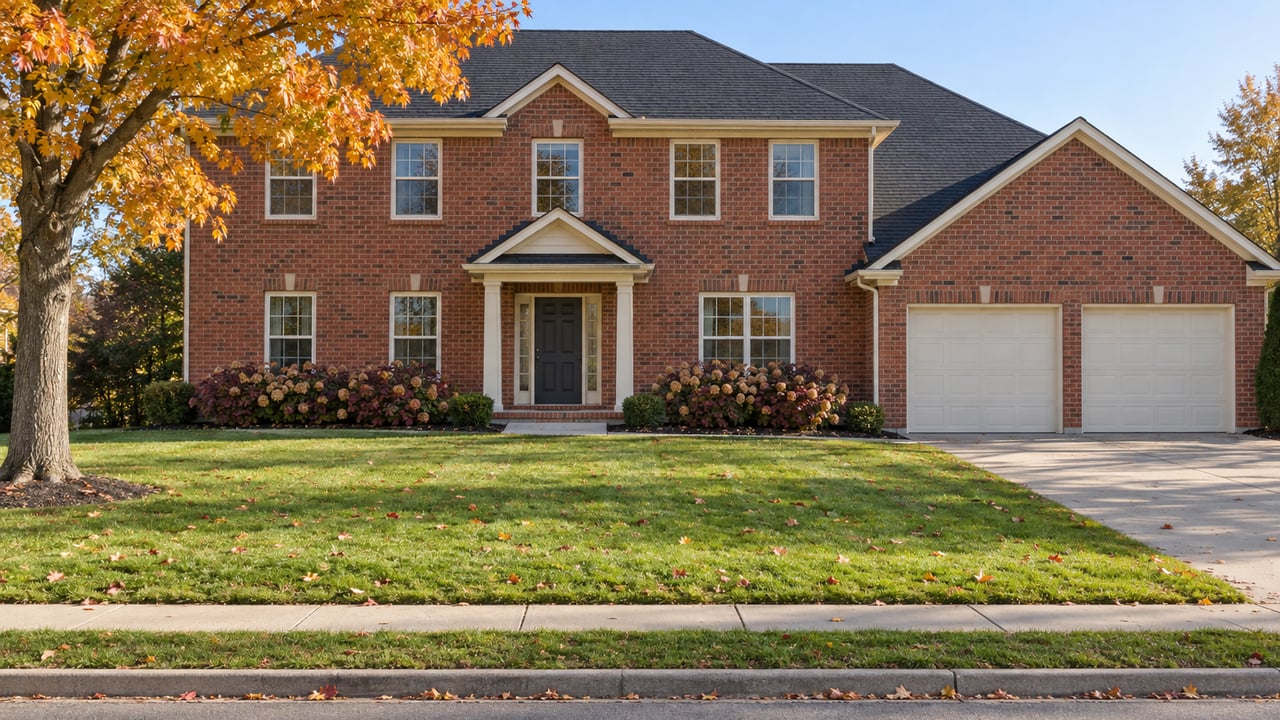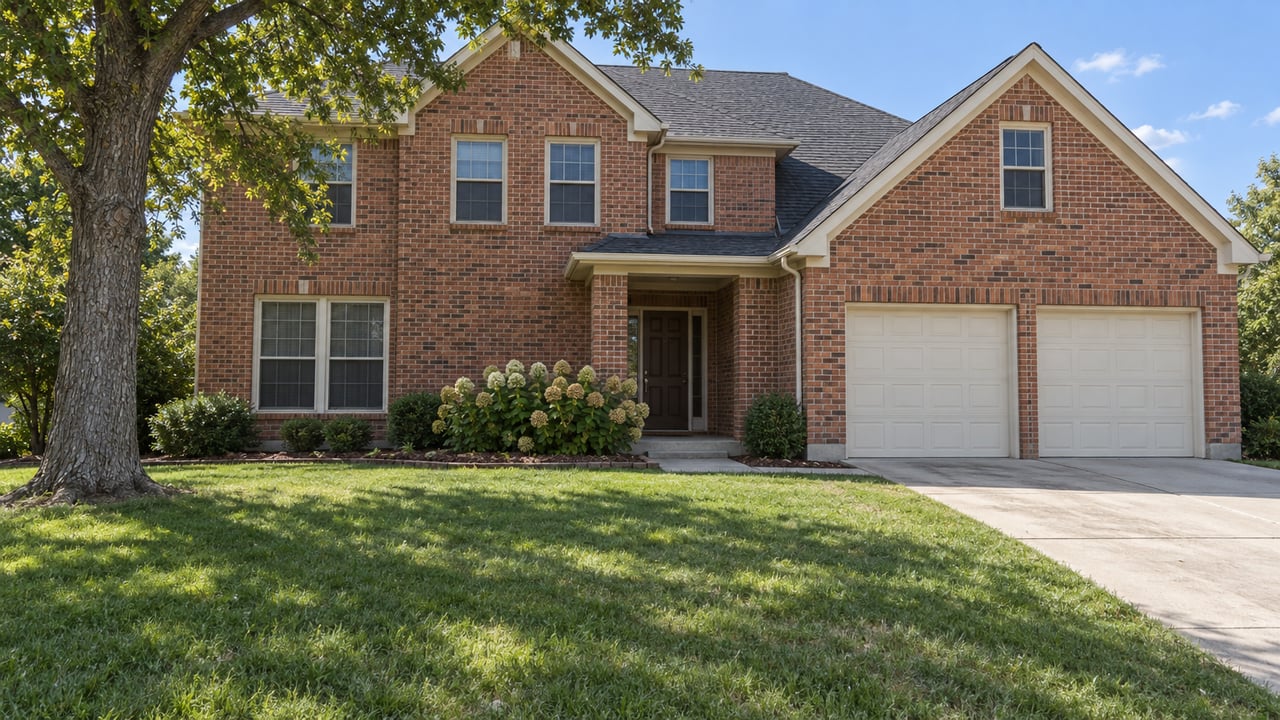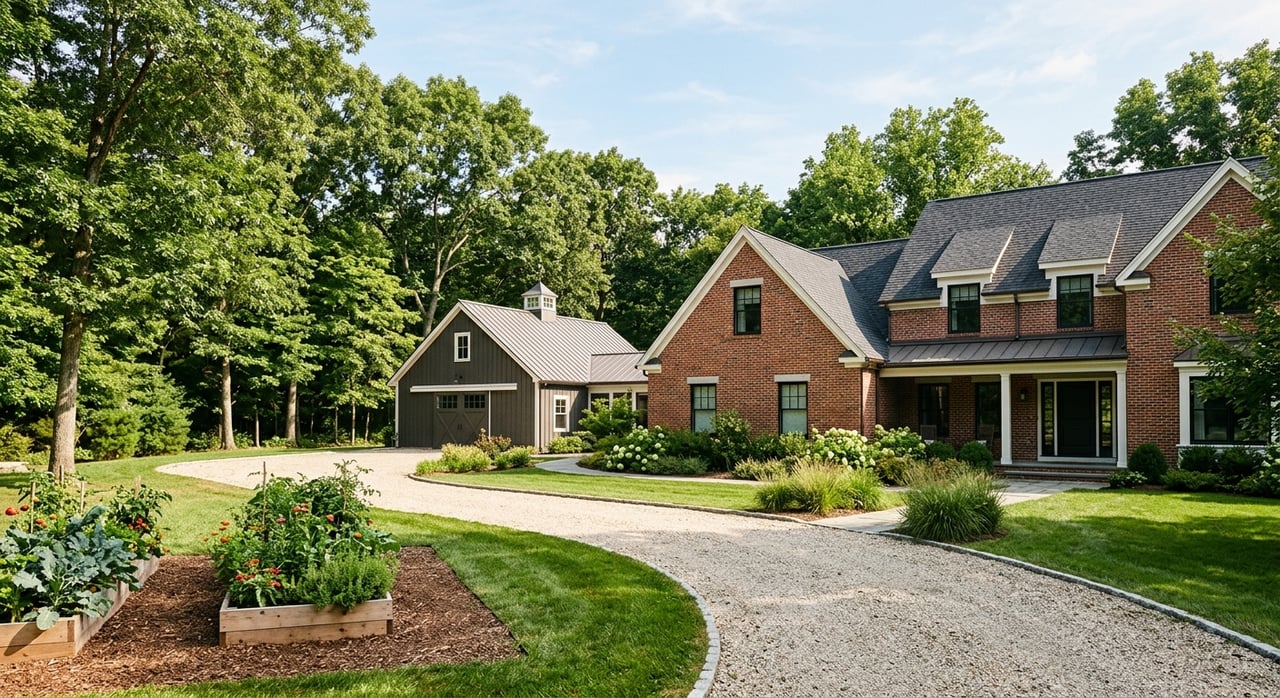
Dreaming about a little more elbow room in O’Fallon? You are not alone. Many buyers want space for a garden, a workshop, extra storage, or simply a quieter setting, but small acreage and hobby properties can be very different from a standard suburban home purchase. If you are exploring this part of the market, it helps to know how lot size, zoning, permits, and utility details can shape what you can actually do with a property. Let’s dive in.
What “small acreage” means near O’Fallon
Around O’Fallon, small acreage is not one single property type. Some homes sit on larger suburban lots, while others are on one-acre residential parcels or land with agricultural zoning. The right fit depends on your goals and whether the property is inside O’Fallon city limits or in unincorporated St. Charles County.
Inside the City of O’Fallon, the lot-size spectrum starts with standard residential zoning. R-1 Single-Family Residential has a 10,000-square-foot minimum lot size, while R-1A Single-Family Suburban Residential has a 22,000-square-foot minimum lot size. Those larger lots may offer more flexibility than a typical subdivision property, but they are still not the same as true acreage.
The city’s Agricultural District is where the rules shift more clearly toward rural-style use. In city AG zoning, the minimum lot size is 2 acres for buildings or structures, and 10 acres minimum is required for raising and keeping livestock. That makes zoning a critical part of the conversation if your plans go beyond simple outdoor space.
Just outside city limits, St. Charles County zoning adds another layer. County residential labels range from 7,000 square feet up to 1 acre, depending on the district. County A Agricultural District is much larger in scale, with a 40-acre minimum lot area.
Why zoning matters more than acreage alone
A property can look perfect online and still not match your intended use. That is because lot size tells only part of the story. The exact zoning district determines what accessory buildings, animal uses, and site improvements may be allowed.
For buyers, this means you should avoid assuming that “a big yard” equals hobby-property flexibility. A parcel with a one-acre feel may still have residential rules that limit detached structures or other improvements. On the other hand, a property with agricultural zoning may support uses that would not work on a standard suburban lot.
The practical first step is simple: verify the exact zoning district through the city or county mapping tools before you fall in love with a property. Around O’Fallon, that one step can save you time, money, and frustration later.
Common uses for hobby properties
Most buyers looking at small acreage around O’Fallon are not trying to run a full farm. More often, they want room for practical, lower-intensity uses that fit everyday life.
Common goals include:
- A larger garden area
- A detached shed for tools or storage
- A workshop space
- Extra garage space
- Room for equipment or outdoor projects
- More privacy and separation from neighboring homes
These uses can be very realistic, but local rules still matter. Even a modest outbuilding or driveway improvement may require review or permitting depending on where the property is located.
Accessory building rules to know
If a shed or workshop is part of your plan, you will want to look closely at accessory building rules early in your search. These regulations differ between O’Fallon city properties and county properties.
O’Fallon city rules
In city R-1 zoning, detached accessory buildings are tightly limited. A shed cannot exceed 200 square feet, and a detached garage or carport cannot exceed 300 square feet. Height is capped at 15 feet, and detached structures must stay out of required front and side yards and at least 10 feet from the rear property line.
Larger detached structures are only allowed on R-1A property or on residential lots over 30,000 square feet. The city also treats sheds, fences, decks, pools, garages, grading, and driveways as permit-driven items. In other words, a future workshop or outbuilding should be treated as a serious due-diligence question, not a casual add-on.
St. Charles County rules
In unincorporated county areas, accessory structure standards are different. The county defines accessory structures as free-standing buildings devoted to an accessory use. Generally, more than two accessory structures and one principal structure may not be erected on a lot.
A structure larger than 120 square feet generally needs a permit. County guidance also says these structures generally must stay 7 feet from side and rear lot lines, 50 feet from the front lot line, and 10 feet from the residence. They also cannot be placed in easements or over septic systems.
Hobby animals and farm-style uses
Animal-related plans require even more care. If you are thinking about horses, poultry, bees, or similar uses, the mailing address alone does not tell you enough. The exact zoning district and the property’s plat history matter.
Animal uses in city AG zoning
Within the City of O’Fallon, AG zoning is the district that clearly addresses farming-related activity. It requires at least 10 acres for raising and keeping livestock. The code also allows stables with a 50-foot setback from all property lines and uses a one-horse-or-pony-per-acre standard.
For livestock-related structures or hay, feed, and manure storage, the city requires at least 100 feet from a property line. These details show why buyers should confirm the rules before assuming a few acres will support animal use.
Animal uses in county A zoning
In St. Charles County A Agricultural District, agriculture and livestock-related uses are broader, but the scale is much larger. The district allows agriculture, livestock and poultry raising, apiaries, aviaries, and private or boarding stables. However, the minimum lot area is 40 acres.
The county also states that no feedlot, feeding floor, or housing structure for livestock or poultry may be within 150 feet of any property line in platted subdivisions. If animal use is part of your long-term plan, these standards should be part of your property search from the beginning.
Access and driveway approvals
A great parcel still needs workable access. Driveway improvements are not always simple, especially on larger or less-developed properties.
In the City of O’Fallon, driveway work is handled by the Engineering Department. A residential driveway may be included under a new-home permit, but otherwise the city has a separate driveway permit process.
In county right-of-way, work typically requires a Special Use Permit. The county notes that driveways and mailboxes are the only improvements that should be in the right-of-way. If the property fronts a state-maintained road, MoDOT also requires permits for driveway construction or modification within MoDOT right-of-way.
Utilities, septic, and buildable area
Small acreage buyers often focus on lot size first, but utilities can have a big impact on what is practical. Sewer service, septic requirements, and site layout can all affect the usable portion of a property.
O’Fallon’s land-use review checks whether a parcel is connected to public sewer. The city code also increases required lot area when a use is not connected to public sewer. That means utility service is not just a convenience issue. It can directly affect development options.
In unincorporated St. Charles County, septic systems are regulated as onsite wastewater treatment systems. Permits are required to install, alter, expand, or repair them. If you are considering an outbuilding, future expansion, or a less improved parcel, septic status should be part of your early review.
Floodplain review is essential
Floodplain due diligence matters on any property, but it becomes even more important on larger or lower-lying parcels. In St. Charles County, more than 40% of the county is considered flood-prone.
The county requires floodplain development permits for many activities inside regulated flood zones. That can include construction, improvements, demolition, earthmoving, and even driveway construction. The county also says an elevation certificate from a Missouri-licensed surveyor or engineer may be required in some cases.
For buyers, this is a reminder to look beyond the house itself. The land, access route, and future improvement plans all need to be reviewed through the lens of floodplain status.
Future split potential and long-term value
Some buyers want room now and flexibility later. If future split potential matters to you, it is worth checking the county’s subdivision rules before you buy.
St. Charles County says land divisions into lots of 5 acres or greater in A, R, or RR zoning districts outside recorded subdivisions may use a minor subdivision plat. The county also requires plats to be prepared by a Missouri-licensed professional engineer or land surveyor.
This does not mean every acreage property can or should be split. It does mean that if investment potential is part of your decision, you should have a professional review the parcel’s zoning, configuration, and platting history before closing.
A smart checklist before you make an offer
When you are shopping for hobby property around O’Fallon, a little extra due diligence can protect you from expensive surprises. Before you write an offer, it is wise to confirm the basics tied to your intended use.
Use this checklist as a starting point:
- Verify the exact zoning district through the city or county GIS tools
- Confirm whether the property is inside city limits or in unincorporated county land
- Ask whether your intended shed, barn, workshop, or driveway requires a permit
- Review setback rules for any future structure
- Check utility availability, including public sewer or septic status
- Confirm whether any easements affect the buildable area
- Review floodplain status and whether floodplain permits may apply
- If animals are part of the plan, verify the district-specific rules first
- If future lot division matters, ask a surveyor or engineer to review the parcel
The bottom line for O’Fallon buyers
Small acreage and hobby properties around O’Fallon can offer a great blend of space, flexibility, and everyday enjoyment. The key is making sure the property fits how you actually want to live, not just how it looks in a listing photo.
With acreage, workshops, equestrian properties, farms, and land, details matter. Zoning, permits, septic, driveway access, and floodplain review can all shape whether a property truly works for your goals. If you want experienced local guidance as you compare options around O’Fallon and St. Charles County, Lisa Adkins can help you evaluate the details with confidence.
FAQs
What qualifies as small acreage near O’Fallon?
- Around O’Fallon, buyers often move from standard lots of 10,000 to 22,000 square feet into one-acre-and-up parcels, but the exact meaning depends on whether the property is in the city or unincorporated St. Charles County.
Can you build a workshop on an O’Fallon hobby property?
- Possibly, but it depends on the zoning district, lot size, setback rules, and permit requirements. City and county standards differ, so you should verify the exact rules for the parcel before buying.
Can you keep horses or livestock on property in O’Fallon?
- Animal use depends on the exact zoning. In City of O’Fallon AG zoning, livestock requires at least 10 acres, while County A Agricultural zoning allows broader agricultural uses but has a 40-acre minimum lot area.
Do O’Fallon-area acreage properties need driveway permits?
- Yes, driveway work may require approvals depending on location. The city has its own driveway process, county right-of-way work typically needs a Special Use Permit, and state-maintained roads may require MoDOT approval.
Should you check floodplain status before buying acreage in St. Charles County?
- Yes. St. Charles County says more than 40% of the county is flood-prone, and floodplain permits may be required for construction, earthmoving, improvements, or even driveway work in regulated flood zones.