If you are getting ready to sell, appraisal and inspection can feel like two of the most stressful steps in the process. The good news is that you do not need to make your O’Fallon home look brand-new to prepare well. You simply need to reduce obvious maintenance issues, organize your paperwork, and make the property easy to evaluate. Let’s walk through what matters most before those appointments happen.
Appraisal vs. inspection
An appraisal and a home inspection are not the same thing, and knowing the difference can help you focus your time and money. According to the Consumer Financial Protection Bureau, an appraisal is an independent opinion of value that compares your home with nearby sales. A home inspection is a separate review of the home’s physical condition.
For you as a seller, that means the appraiser is looking at value, features, condition, and how your home compares to similar properties in O’Fallon. The inspector is looking more closely at the property’s systems, components, and visible condition. If major problems are found, they can lead to repair requests, lender conditions, or contract renegotiation.
Focus on visible issues first
One of the smartest ways to prepare is to address small, easy-to-see issues before the visit. The CFPB notes that inspections and appraisals can bring attention to condition concerns, and even minor deferred maintenance may still need to be reported. In many cases, low-cost fixes make more sense than spending heavily on cosmetic upgrades.
Think about the items a buyer, appraiser, or inspector will notice right away. Worn flooring, minor plumbing leaks, cracked window glass, and missing handrails may seem small, but they can raise questions about overall upkeep. Taking care of these items can help your home present as well maintained.
Prioritize key interior repairs
A practical local checklist can start with the types of issues highlighted by O’Fallon’s internal home repair program. The city points to common repair categories such as HVAC, water heaters, electrical repairs, plumbing repairs, basement repairs, insulation, weatherization, windows, and indoor safety items like smoke detectors.
That does not mean you need a full renovation before selling. It does mean you should pay attention to the systems and safety items that tend to matter during due diligence. If you know your water heater is leaking, a smoke detector is missing, or a basement issue has been ignored, those are smart items to tackle early.
Check exterior condition carefully
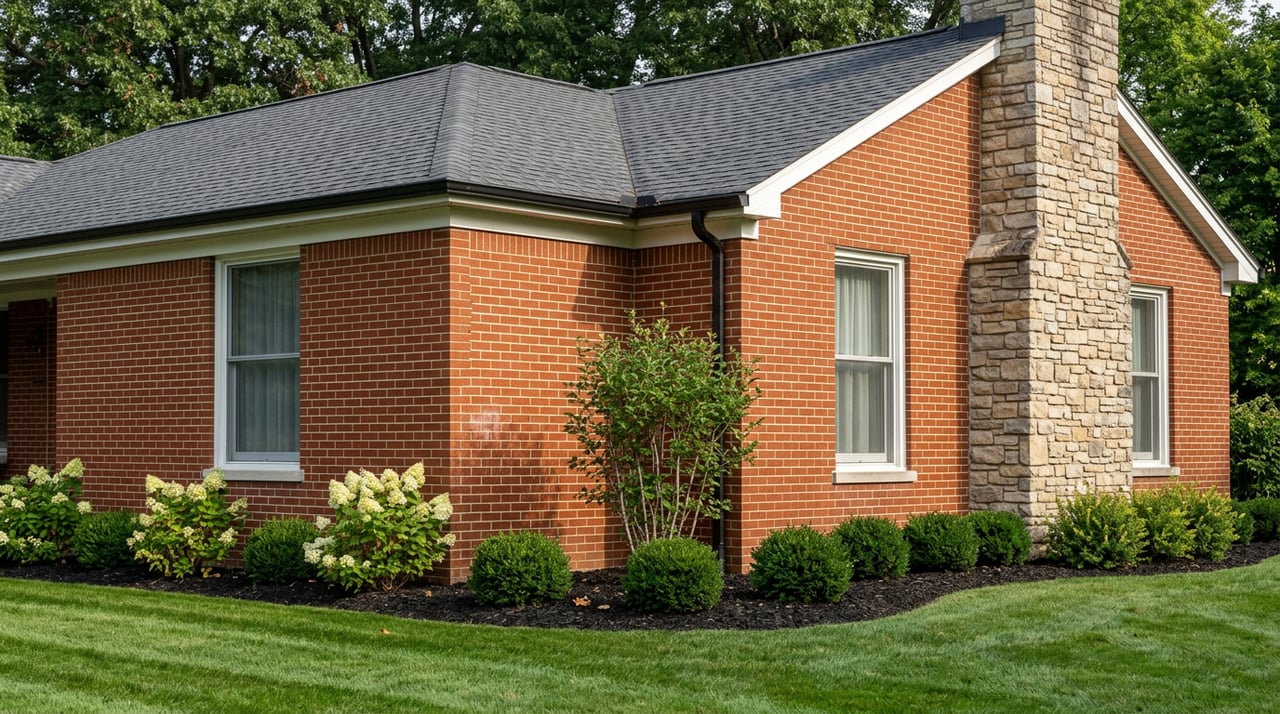
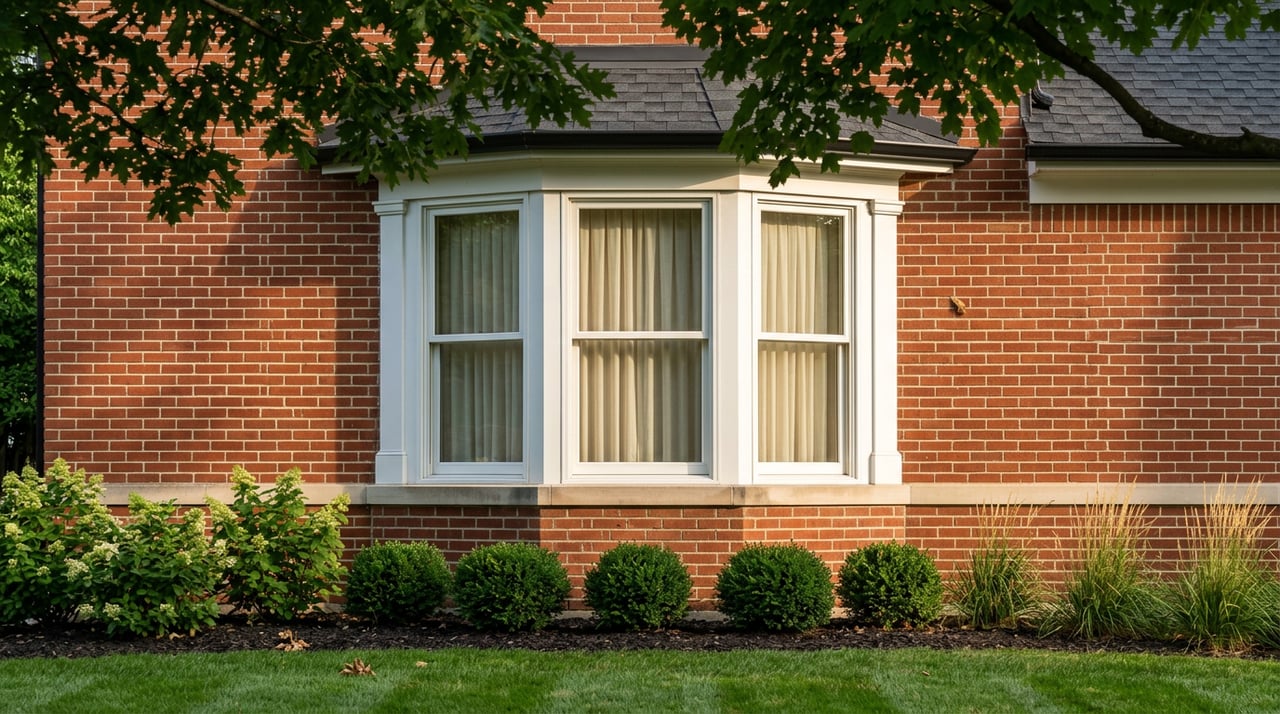
Outside condition matters just as much as what is happening indoors. O’Fallon’s code enforcement guidance specifically flags peeling paint, damaged siding, broken windows or screens, roofs that are not weather-tight, and decks or porches that are not structurally sound.
These are the kinds of issues that can create a poor first impression before anyone even steps inside. They can also lead to questions about maintenance history. Even simple tasks like replacing missing shingles, repairing torn screens, or repainting visibly peeling trim can help your home feel more cared for.
Another easy item to check is your house number. O’Fallon requires visible address numbers that are at least 4 inches high and contrasting in color. It is a small detail, but fixing it removes an avoidable note from the visit.
Watch for moisture and drainage concerns
Moisture issues deserve extra attention because they often affect both value discussions and condition concerns. O’Fallon code guidance includes runoff problems and standing water, which can point to larger maintenance questions. Before an appraisal or inspection, it is worth checking gutters, downspouts, grading, sump discharge, and any damp areas in the basement.
This matters in St. Charles County for another reason too. As noted by the EPA and local guidance referenced in the research, radon can enter through cracks and gaps in foundations, and moisture control is a key part of minimizing mold concerns. If you have noticed water intrusion, musty odors, or recurring dampness, it is better to address that before a buyer raises it.
Make access easy for the inspection
A home inspector is generally performing a visual review of accessible areas. Under InterNACHI’s standards of practice, “readily accessible” means the inspector can safely observe the component without removing obstacles or taking unsafe steps.
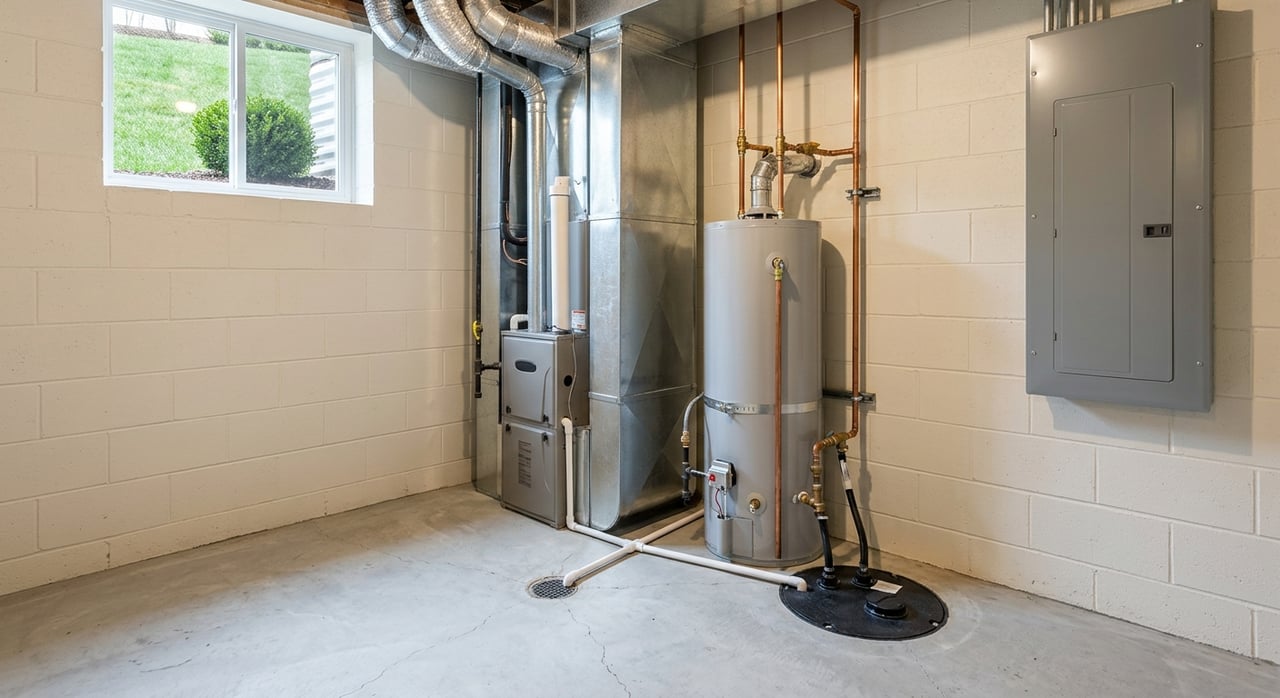
In simple terms, clear the way. Make sure the attic access, electrical panel, HVAC equipment, water heater, basement walls, crawlspaces, garage, and utility areas are not blocked by storage. If the inspector cannot easily reach an area, that can delay the process or leave unanswered questions.
Gather paperwork before the visit
Good preparation is not just about repairs. It is also about documentation. Missouri REALTORS® notes that residential disclosure is meant to cover property condition, environmental hazards, material defects, title defects, and repair history, and sellers should update disclosures if new information arises before closing that would make earlier answers misleading. You can review that disclosure guidance through Missouri REALTORS®.
It helps to gather permits, warranties, service records, receipts, and invoices before anyone asks for them. HUD also advises homeowners to keep records of capital improvements and save paid bills and invoices. If you replaced the roof, serviced the HVAC, waterproofed the basement, or updated plumbing, having that paperwork ready can help answer questions quickly and clearly.
Check permits for past work
If you completed major work on the home, double-check whether permits were required. O’Fallon states that residential permits are required for items such as new homes, decks, sheds, pools, basement finishes, additions, and major alterations. Driveway replacement or widening in the right-of-way may also require a permit.
Unpermitted work can come up during the buyer’s due diligence and create unnecessary friction. If you are doing any last-minute repairs or improvements before listing, it is wise to verify local permit requirements first. That extra step can help you avoid a problem later in the transaction.
Review disclosures for older homes
If your home was built before 1978, there is an added disclosure layer to keep in mind. The EPA’s lead-based paint disclosure rule applies to most housing built before 1978. Sellers must disclose known lead-based paint hazards, provide required information, and give buyers the opportunity for a lead inspection or risk assessment.
Missouri also requires written disclosure if the seller knows the property was used for methamphetamine production. These are not details to guess about or overlook. Clear, accurate disclosure helps protect you and supports a smoother transaction.
A simple O’Fallon prep checklist
If you want a practical way to prepare, start here:
- Fix obvious deferred maintenance such as leaks, cracked glass, missing handrails, and broken screens
- Check the roof, siding, paint, porch, and deck for visible exterior issues
- Clean and open access to the attic, basement, crawlspace, garage, and utility areas
- Test smoke detectors and replace batteries if needed
- Check gutters, downspouts, grading, and any areas with standing water or dampness
- Gather receipts, warranties, permits, and service records for completed work
- Review seller disclosures and update anything that has changed
- Confirm address numbers are visible and compliant with city guidance
Why preparation matters
Preparing your home for appraisal and inspection is really about reducing surprises. You do not need perfection, but you do want the home to show consistent care, safe access, and accurate documentation. When obvious issues are handled in advance, you give buyers and lenders fewer reasons to pause.
That kind of preparation can also make the rest of your sale less stressful. You will have a clearer idea of what questions may come up, and you will be in a better position to respond quickly. In a market like O’Fallon, that kind of readiness can make a real difference.
If you want help deciding what to fix, what to disclose, and how to prepare your home for a smoother sale, Lisa Adkins can guide you through the process with practical local advice and high-touch support.
FAQs
What is the difference between a home appraisal and a home inspection when selling in O’Fallon?
- A home appraisal focuses on value and marketability, while a home inspection focuses on the home’s physical condition and visible defects.
What repairs should sellers prioritize before an appraisal or inspection in O’Fallon?
- Start with visible deferred maintenance such as leaks, broken windows or screens, missing handrails, peeling paint, roof issues, and safety items like smoke detectors.
Do I need permits for home improvements before selling a house in O’Fallon?
- O’Fallon requires permits for certain projects such as decks, sheds, pools, basement finishes, additions, and major alterations, so it is smart to verify permit status before listing.
What documents should I gather before a buyer’s inspection in Missouri?
- Helpful documents include permits, receipts, invoices, warranties, and service records for repairs, replacements, and major improvements.
Do older homes in Missouri need extra disclosure before sale?
- Yes. Homes built before 1978 may require lead-based paint disclosure, and Missouri also requires written disclosure if the seller knows the property was used for methamphetamine production.
How can I make my O’Fallon home easier for an inspector to evaluate?
- Clear access to major systems and spaces, including the attic, basement, crawlspace, electrical panel, HVAC, water heater, and garage, so the inspector can safely view accessible areas.