Torn between Lake St. Louis and O’Fallon? You’re not alone. Both offer strong suburban living in St. Charles County, but they feel different day to day. In a few minutes, you’ll see how they compare on housing, price ranges, commute, amenities, and schools so you can match the right city to your priorities. Let’s dive in.
Quick snapshot: size and pace
Lake St. Louis is smaller and lake centered. It has about 19,160 residents and a median household income near $123,000, according to the U.S. Census QuickFacts for the city. O’Fallon is a larger suburban hub with about 95,355 residents and a median household income around $107,000. Both places lean heavily owner occupied and suburban in feel. You’ll see roughly 75 percent owner occupancy in Lake St. Louis and about 80 percent in O’Fallon based on city figures. U.S. Census QuickFacts: Lake St. Louis and U.S. Census QuickFacts: O’Fallon
Housing options and price bands
What your budget buys
Entry buyers
- O’Fallon: You’ll find many starter single-family and townhouse choices historically in the low to mid $200,000s up to the mid $300,000s, depending on age and neighborhood. City statistics and market snapshots point to strong option density in this range.
Mid-market buyers
- O’Fallon: About $350,000 to $525,000 for larger homes, newer subdivisions, and bigger lots in some areas.
- Lake St. Louis: About $400,000 to $650,000, especially near lake amenities or in upscale subdivisions.
Upper-tier and lifestyle
- Lake St. Louis: Waterfront, dock-capable, or country-club homes often exceed $600,000 and can go much higher. The lake and amenity access are major price drivers. Lake Saint Louis history and amenity roots
Home types and associations
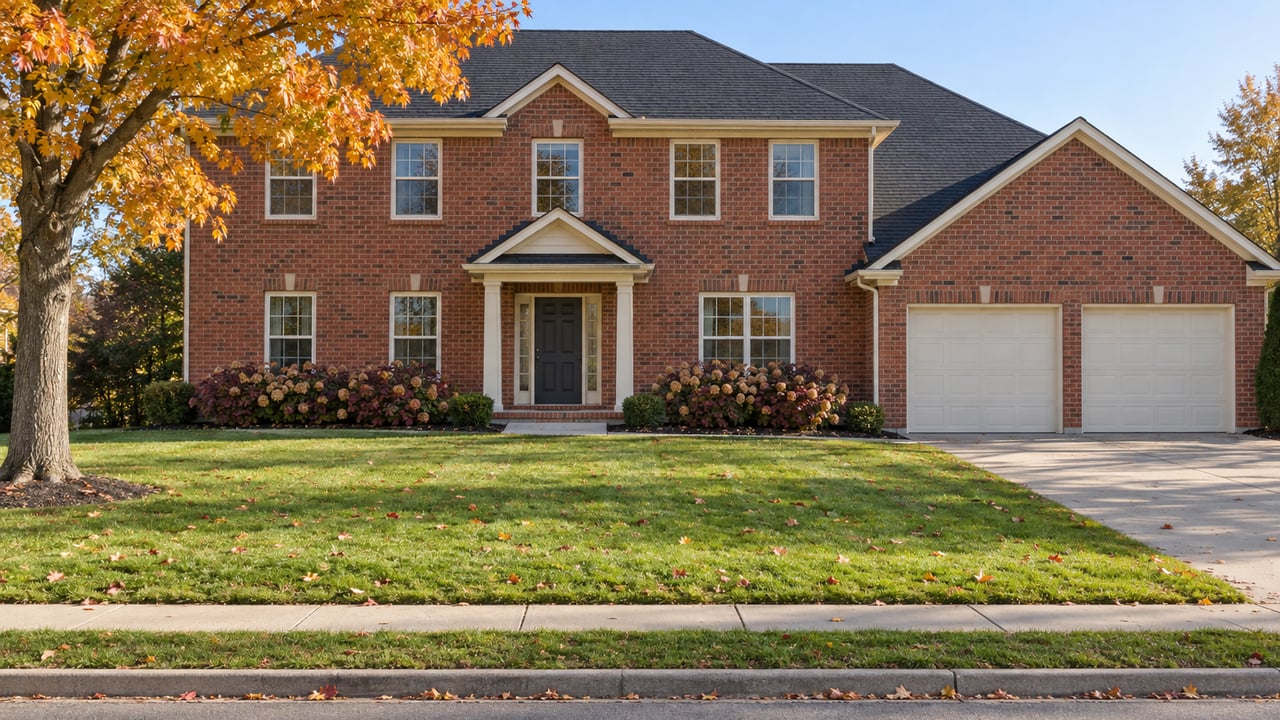
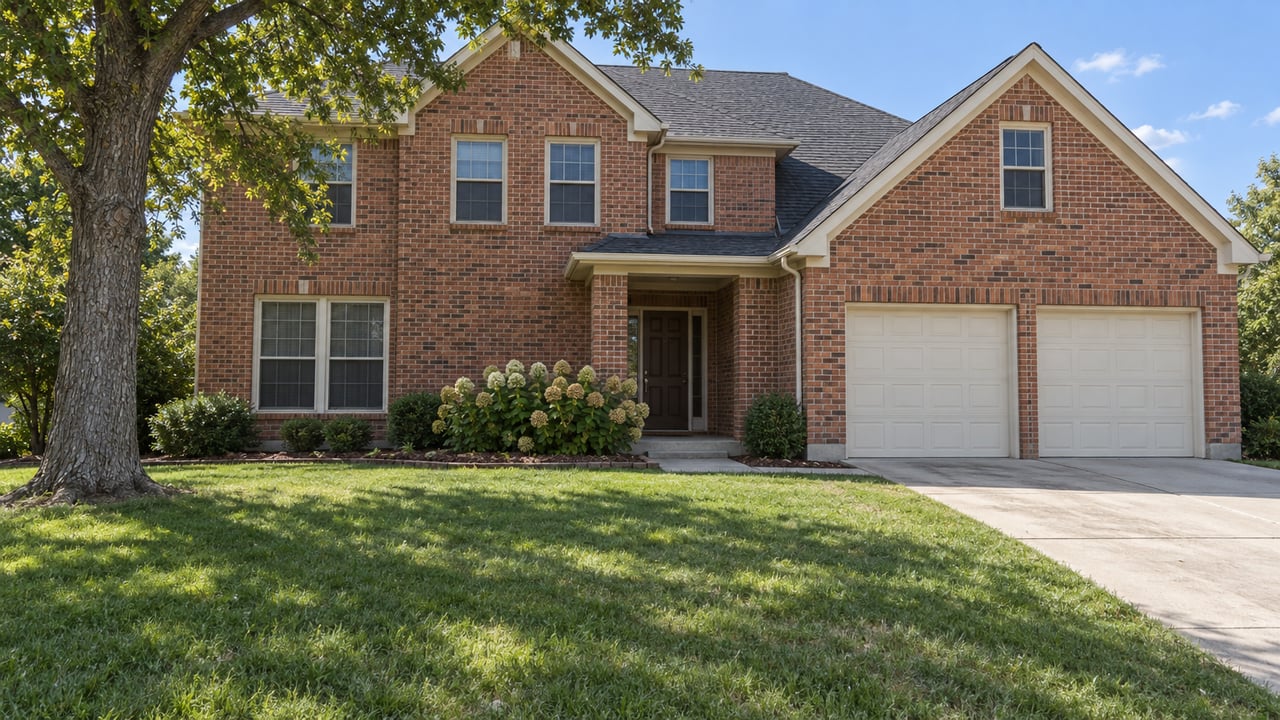
Lake St. Louis’s ZIP area (63367) is dominated by single-family homes, with about 85 percent of units being single family. Many properties are in associations that may include lake or amenity access, so it is important to verify fees and privileges by address. ZIP 63367 housing profile
O’Fallon offers more variety: established neighborhoods, many newer subdivisions, and townhouse or apartment options across a wider footprint. Owner occupancy runs slightly higher at the city level. U.S. Census QuickFacts: O’Fallon
Commute and getting around
Both communities are car oriented with similar average commutes. Mean travel time to work runs about 26.8 minutes in Lake St. Louis and about 25.6 minutes in O’Fallon. Public transit to downtown St. Louis is limited, so plan on driving for most commutes. U.S. Census QuickFacts: Lake St. Louis
For trips to downtown St. Louis, expect roughly 30 to 45 minutes by car in normal traffic. Actual time depends on your workplace and rush-hour patterns. Driving time example from Lake St. Louis
Key corridors matter here. Access to I-70 and US-40 is a big part of why both cities work well for daily driving and regional errands.
Amenities and community character
Lake St. Louis lifestyle
Lake St. Louis was planned around a man-made lake in the late 1960s, and the water remains the heart of the community. Beaches, marinas, lake recreation, and country-club style amenities shape daily life in many neighborhoods. This lifestyle often comes with HOA considerations and a price premium for water access. City history and lake origins
O’Fallon convenience and events
O’Fallon’s larger size supports a broad mix of shopping, services, and civic amenities. The city’s parks system, Ozzie Smith Sports Complex, and CarShield Field host youth and collegiate baseball plus community events. The result is a bigger-city suburban feel with a lot of day-to-day convenience inside city limits. Ozzie Smith Sports Complex
Schools and boundaries
School districts change by address. Most of Lake St. Louis falls within the Wentzville R-IV School District, but always check exact boundaries. In O’Fallon, large areas are served by Fort Zumwalt R-II, with pockets assigned to Wentzville R-IV and Francis Howell. Verify assigned schools by street address using district resources. Fort Zumwalt district overview and resources and ZIP 63367 district context
Cost-of-living checks buyers overlook
Before you fall in love with a listing, confirm these items early:
- School assignment by address using district tools.
- HOA dues, amenity rules, and whether a Lake St. Louis property includes lake rights or a dock permit. Start with seller disclosures and city or association guidance. Lake Saint Louis background
- Flood zone impacts and insurance quotes for waterfront or near-lake lots using FEMA maps and your lender or insurer.
- Property tax details using the St. Charles County assessor and recent tax bill history. An overview of effective rates can provide context. Property tax overview for St. Charles County
- Real drive times for your workplace during rush hour.
Which fits your move?
- Choose Lake St. Louis if a lake-centered lifestyle, private amenities, and a quieter, resort-like feel rank highest for you. Expect HOA details to play a bigger role, and budgets to shift higher for waterfront or amenity-rich homes.
- Choose O’Fallon if you want a wider range of home types and price points, more in-city shopping and services, and a larger suburban city feel.
Both communities deliver strong suburban value in St. Charles County. Your best fit comes down to lifestyle and how your budget maps to current inventory.
A simple path to clarity
Use this quick process to move forward with confidence:
- List your top three priorities: price, location, commute, lifestyle.
- Match your budget to the price bands above and refine by neighborhood.
- Test-drive your commute at peak times.
- Verify schools by address with district tools.
- Confirm HOA fees, lake rights, dock rules, and any special assessments in Lake St. Louis.
- Review flood zones and insurance needs for waterfront or near-lake properties.
- Walk target neighborhoods in the morning, afternoon, and evening.
When you are ready to compare actual homes side by side, connect with a local team that knows both markets inside and out. If you want a calm, thorough plan for your move, reach out to Lisa Adkins for a friendly, no-pressure consultation.
FAQs
Is O’Fallon or Lake St. Louis more affordable for first-time buyers?
- O’Fallon generally shows lower city-level medians and a wider range of starter options, while Lake St. Louis trends higher where lake and amenity access add premiums. U.S. Census QuickFacts: O’Fallon
How long is the commute to downtown St. Louis from these suburbs?
- Plan for about 30 to 45 minutes by car in normal traffic for both cities, and verify with live routing for your workplace. Driving time example
Do all homes in Lake St. Louis include lake access?
- No; lake privileges are tied to specific lots or HOAs, so confirm lake rights, dock permits, and fees in the listing and association rules. Lake Saint Louis background
Which school districts serve O’Fallon and Lake St. Louis?
- Many Lake St. Louis addresses are in Wentzville R-IV; O’Fallon is largely Fort Zumwalt R-II with pockets in Wentzville and Francis Howell, so verify by address. Fort Zumwalt resources
What home types dominate in Lake St. Louis compared with O’Fallon?
- Lake St. Louis’s 63367 ZIP skews heavily single-family, while O’Fallon offers a broader mix that includes many newer subdivisions and townhomes. ZIP 63367 housing profile