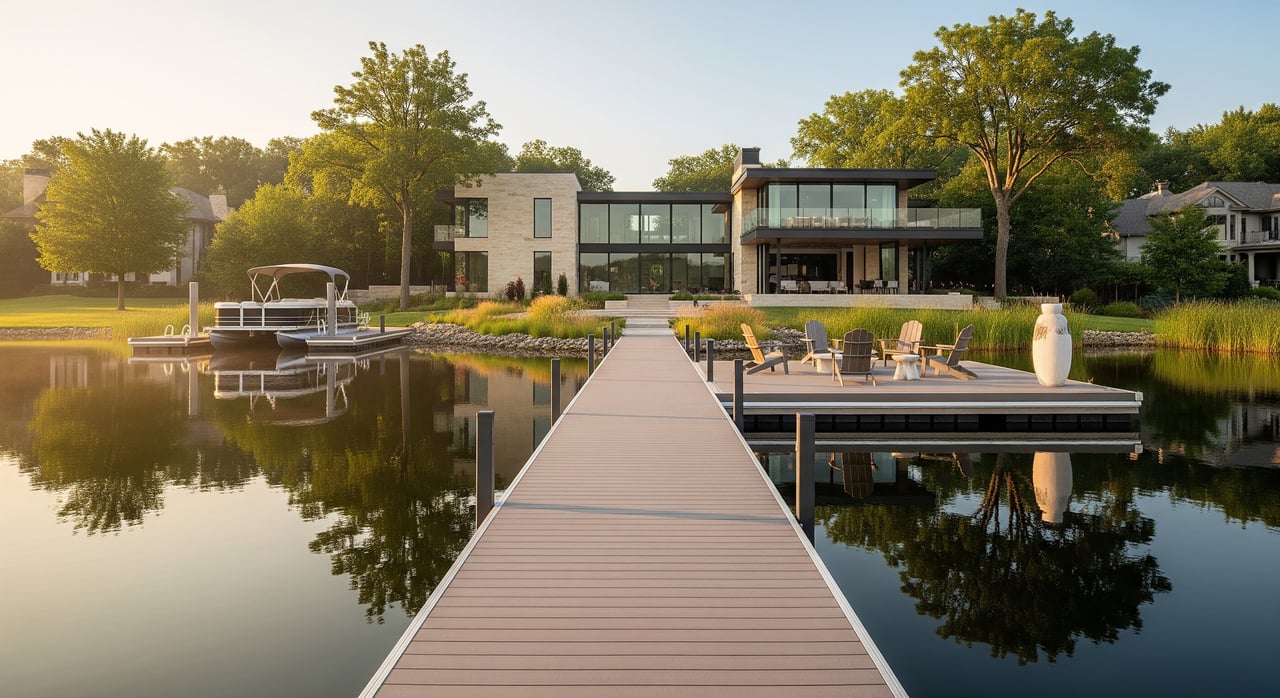
Picture this: quiet morning water, a heron gliding by, and your coffee steaming on the deck while the lake wakes up. If you’re considering life on the water in Lake St. Louis, you’re likely picturing weekends that feel like a getaway and weeknights that end with a sunset. You also want a realistic view of the lifestyle, the homes, and the rules that come with living on or near a lake. In this guide, you’ll learn what day-to-day life looks like, the amenities and activities available, how waterfront compares to near-water living, and the costs and checks to make before you buy. Let’s dive in.
Lake lifestyle, day to day
Lake St. Louis is designed around its lakes, so water shapes the rhythm of life. Summers feel active with boats on the water, beach days, and neighborhood gatherings. Spring and fall bring calmer water, fishing, walking, and cool-weather cookouts. Winter slows the lake itself, but residents still use trails and community facilities.
Your daily routine can feel centered around the shoreline. Many residents start or end the day on a dock or deck. Boat owners plan around launching, fueling, and maintenance. If you don’t own a boat, you still get the benefits of views, parks, and paths that make the water part of your everyday experience.
Recreation and amenities
Boating and water sports
You will see a range of activities on the water, including pontoon cruising, wake sports where allowed, water-skiing in designated areas, fishing, kayaking, paddleboarding, and small sailboats. Launching options can include community boat ramps, marinas, and private docks tied to specific properties or developments. Rules such as speed limits, no-wake zones, registration requirements, and quiet hours are common in lake communities and are typically enforced by a community authority or lake patrol. Always verify current lake-specific rules with the local association or marina before you plan your routine.
Clubhouses, pools, and courts
Many neighborhoods connect to lakefront clubhouses, swimming pools, private beaches, tennis or pickleball courts, playgrounds, and event spaces. Access is usually tied to homeowner association membership, community assessments, or guest policies. If you’re comparing neighborhoods, ask about tiers of access, guest passes, and any additional fees.
Trails, parks, and events
Lakeside paths and greenways make walking, running, and biking easy to enjoy year-round. Pocket parks, picnic spots, and shoreline overlooks give you casual waterfront time without getting on a boat. Community traditions often include summer concerts, fireworks, regattas or boating events, and seasonal gatherings that make it simple to meet neighbors.
Home options by the water
What “waterfront” means here
Waterfront homes come in a range of sizes and styles, from ranch and two-story plans to patio homes and custom builds. Many lake-facing homes include decks, screened porches, and shoreline access. Some lots have private docks or slips, while others rely on community docks or marinas. Not every waterfront lot allows a private dock, and shoreline work often requires approvals. Before you buy, request documentation for any existing dock, permits, and maintenance history.
Near-water living with access
Near-water options include condos, townhomes, and single-family homes that are close to the shoreline but not directly on it. You can still enjoy the lifestyle with community beaches, marinas, trails, and social events. For many buyers, this offers a lake-centered routine with fewer maintenance commitments than a direct waterfront property.
Pricing patterns to expect
Waterfront properties usually carry a premium over similar off-water homes. The size of that premium depends on factors like lot position, view quality, water depth, shoreline type, and whether a private dock or slip is included. Market conditions matter as well. For an accurate picture of today’s pricing and recent comparable sales, review current MLS data before you set a budget.
Costs, rules, and insurance
Expect homeowner association or community assessments that fund beaches, pools, trails, lake patrol, and landscaping. Rules typically cover boat registration and decals, guest policies, dock usage, parking, and architectural guidelines for waterfront changes. For shoreline projects or docks, approvals may be required by the city or county, and additional permits can apply depending on scope. Always confirm the current process with the City of Lake St. Louis and St. Charles County.
Flood and homeowners insurance can differ for properties near water. Flood insurance may be required if a home lies in a FEMA-designated flood zone, and lenders often require it in those areas. It’s smart to review FEMA flood maps for the specific property and obtain quotes for homeowners, flood, and any additional coverage such as wind or umbrella liability for docks and boating. Plan for ongoing costs like dock upkeep, bulkhead or shoreline repairs, marina or storage fees, and seasonal maintenance.
Quick checklist before you buy
- Request HOA covenants, rules, fee schedules, and amenity access details.
- Verify dock rights, permits, and whether a slip or lift conveys with the sale.
- Review FEMA flood maps for the address and get flood and homeowners insurance quotes.
- Ask the city or county about permits for any shoreline, dock, or seawall work.
- Confirm boat access options, guest policies, and lake-specific operating rules.
- Visit at different times to gauge weekend activity, noise, and privacy.
- Check commute routes and drive times during peak hours.
- Compare recent waterfront and near-water comps to validate value.
Daily logistics and maintenance
Lake living comes with a predictable rhythm. In spring, you’ll prep docks and boats, freshen landscaping, and set up outdoor spaces. Summer brings the most use, along with routine cleaning, minor repairs, and pest control. Fall and winter mean winterizing boats, securing docks as required, and maintaining shoreline structures ahead of freeze and thaw cycles.
Enjoying the lake without a boat
You do not need a boat to enjoy the lake lifestyle. Trails, parks, beaches, and club events let you take in the water every day. Kayaks and paddleboards are low-commitment ways to experience the lake. Casual deck or dock gatherings and community activities make it easy to connect.
Work, schools, and access
Lake St. Louis provides suburban access to the greater St. Louis area. Plan your commute by testing routes at the times you normally travel. If schools are part of your decision, confirm district boundaries and busing details with official maps before you buy, since boundaries can vary by neighborhood.
How The Lisa Adkins Team helps
Buying on or near the lake is both exciting and detailed. You want clear answers about docks, shoreline rules, insurance, maintenance, and true market value. With 25-plus years focused on St. Charles County, our team offers local guidance on waterfront nuances, from reviewing HOA documents and dock permissions to coordinating inspections and connecting you with marina resources.
If lake living in Lake St. Louis is on your list, we can help you compare neighborhoods, analyze comps, and plan a confident offer. Ready to explore waterfront and near-water options tailored to your goals? Connect with Lisa Adkins and schedule your free consultation.
FAQs
What should I verify about docks before buying in Lake St. Louis?
- Ask for documentation on ownership, permits, transferable slip rights, and recent maintenance or repairs.
How do HOA rules affect daily life in Lake St. Louis lake communities?
- Rules can govern boat decals, guest access, dock use, parking, and architectural changes, so review HOA documents closely.
Do I need flood insurance for a Lake St. Louis waterfront home?
- If a property sits in a FEMA-designated flood zone, lenders often require flood insurance; confirm the exact zone and get quotes.
How does waterfront pricing compare to near-water homes in Lake St. Louis?
- Waterfront usually carries a premium that varies by view, location, and dock or slip availability; review current MLS comps.
What lake-use rules should boaters expect in Lake St. Louis?
- Expect speed limits, no-wake zones, registration requirements, and quiet hours enforced by a community authority or lake patrol.
Can I enjoy Lake St. Louis without owning a boat?
- Yes, with trails, parks, beaches, club events, and paddlesports, you can enjoy daily lake living without a motorized boat.